Gen Z finding Circle K volunteer work a life-changing alternative to social media
By Nadir Benslimane
Nonprofit Sector News
July 28, 2026
As more young adults search for meaningful connections beyond social media, one century-old service organization says the answer is as simple as time-honored community service.
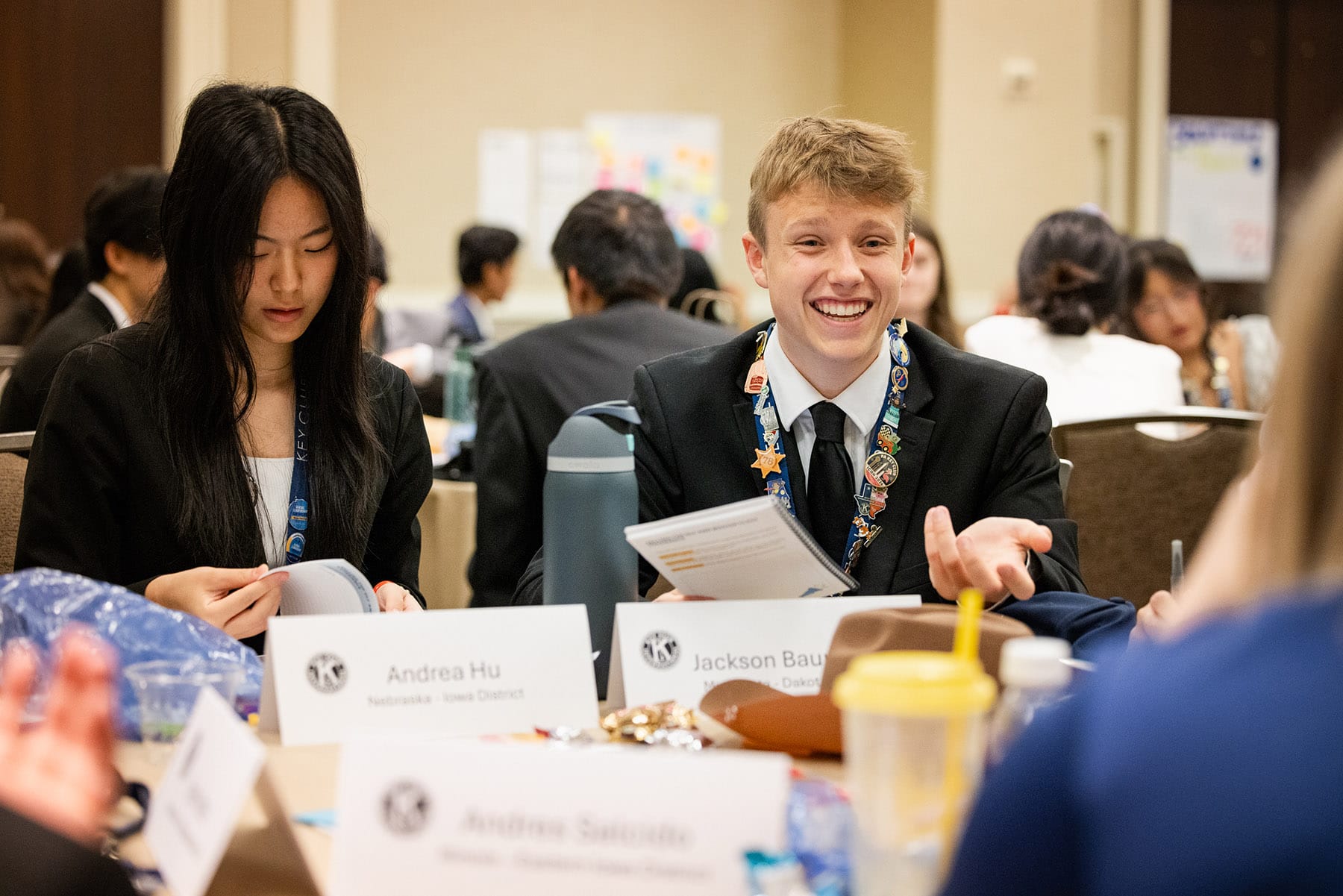
Through Circle K International, the collegiate branch of Kiwanis International, thousands of college students are finding community, leadership experience, and purpose by serving their local communities rather than doomscrolling online. About 450,000 Kiwanis International members, colloquially known as “Kiwanians,” serve the children across the world through education and literacy initiatives, fighting against food insecurity, and mentoring young leaders. The organization says that a single member’s services typically impacts the lives of about 100 children, while Kiwanis families raised about $1.08 million for the Kiwanis Children’s Fund in 2025 to fund vital grants and projects that put kids first. For Michelle Study-Campbell, executive director of Kiwanis Youth Programs, those numbers represent something larger than only hours or dollars.
Study-Campbell emphasized how Kiwanis’s culture is built on the belief that meaningful leadership begins with service and finding one’s true community first. In her view, many young people turned to online spaces for connection and solidarity following the COVID-19 pandemic, particularly due to lockdowns that made socializing impossible. However, she believes these digital communities, over time, are taking away more than they give, by robbing young people’s confidence and ability to connect with their peers in their everyday lives face to face. She says Circle K International has been a vital counterbalance against this growing atomization between young people and their communities.
“In a world so isolated, Kiwanis is where so many feel at home. College can be just as, if not more, intimidating for young people to find their purpose and their community,” Study-Campbell said, “That’s exactly why Circle K International exists, to provide a welcoming community for anyone who wants to make a difference in their local community while becoming part of ours during their time in college.”
Circle K International (CKI), is one of the world’s largest student-led collegiate service organizations that serve their communities in more than 20 countries with projects focused on homelessness, food insecurity, childhood development, mental health, and environmental justice through both hands-on service and public advocacy for their own communities. Beyond its commitment to service, CKI is centered on the young leaders of tomorrow by pushing their members towards developing leadership, public advocacy and speaking, and networking skills.
“It’s always astonishing to see our Kiwanis members’ confidence, communication skills, and courage to speak up for themselves and their own communities flourish in just a few years with us,” Study-Campbell said.
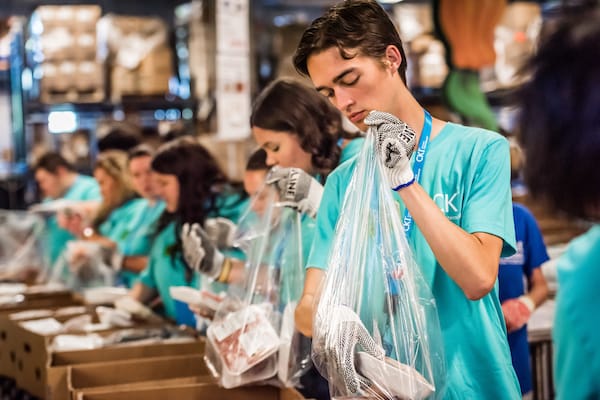
Throughout the academic year, CKI chapters organize food drives, volunteer at children's hospitals, clean parks and neighborhoods, assemble hygiene kits for shelters, tutor local students, and partner with Kiwanis clubs on projects tailored to the needs of their communities. While service projects differ from campus to campus, the organization’s emphasis on hands-on involvement gives members opportunities to address local challenges and gain leadership experience.
Research supports the significance of those experiences. A study by Marina Oubiña López and Diego Gómez-Baya, titled “Interventions to Promote Civic Engagement Among Youth and Its Outcomes on Mental Health,” published in online medical journal Children (Basel), found that civic engagement strengthens social connections and improves psychological well-being among young people, suggesting service organizations can provide benefits beyond volunteer work alone.
For Zachary Kahn, former International President of CKI, joining the organization was less a new beginning rather than the continuation of a lifelong commitment to service. After participating in Builders Club in middle school and continuing with Key Club in high school, Kahn started college looking for a way to stay involved in his new community. Joining Circle K International provided him those opportunities in spades, but what he discovered extended far beyond volunteer work.
Over the next few years, Kahn said he found a community that inspired him to broaden his impact and rise above his station; he said he pushed himself to uplift his fellow members and clubs toward developing new service initiatives of their own until he was elected International President. Kahn recalled one of his greatest challenges as International President was helping restructure portions of CKI’s bylaws for the future of CKI and Kiwanis as a whole, especially with the multitude of perspectives he had to consider. In the end, however, it reinforced in his mind that true leadership was not about satisfying everyone, but rather executing thoughtful decisions that served the whole with all perspectives considered.
Leading an international organization over the years reshaped Kahn’s entire understanding of service and leadership. Working alongside students from diverse communities across the world taught him that effective service began with listening rather than assuming what local communities needed. As International President, his experiences with balancing competing perspectives in both CKI and communities across the nation strengthened his ability to mediate conflicts, maintain focus on vital objectives, and lead with empathy. Those very same leadership skills that shaped his medical philosophy as an aspiring vascular surgeon today.
“Circle K International reinforced that service was never something you did outside your career, it’s a part of who you are,” Kahn said. “My experiences pushed me to continue volunteering through free clinics in medical school because I believe improving healthcare extends well beyond the walls of a hospital.”
Today, Kiwanis leaders continue expanding Circle K through campus recruitment, partnerships with local Kiwanis clubs, and new leadership initiatives designed to help students build meaningful connections through service. Study-Campbell said the organization’s mission has become even more important as young adults seek opportunities to reconnect with their communities and develop the confidence to become advocates and leaders.
One initiative is the Global Leadership Certificate program, which offers members dozens of courses covering interpersonal communication, public speaking, diversity and inclusion, and leadership development.
“With the Global Leadership Certificate program for our members, we are presenting 40 courses providing instruction on interpersonal skills, racial and gender equality, oration, and many more,” Study-Campbell said. “It’s an ever-evolving program that Circle K International recently introduced and continues to improve through member feedback.”
Looking back on his years with Circle K International, Kahn said the organization’s greatest impact wasn’t the leadership title he held or the projects he completed, but something more personal.
“The people, without question,” Kahn said, “I have built friendships with people from across the United States and around the world who I never would have met otherwise.” Those friendships, he said, gave him confidence to believe that even one person’s efforts can create a ripple effect when joined with thousands of others committed to serving their communities.
As colleges and communities continue searching for ways to help young adults build meaningful connections beyond the digital world, Kiwanis leaders believe service remains one of the most effective answers. Through programs such as Circle K International, students are addressing the needs of their community while finding purpose, leadership skills, and forging friendships that continue long after graduation.