
Sentencing Project concerned about uncertain future for further criminal justice reform
By Kelsey Sweet
Nonprofit Sector News
Sept. 29, 2026
With the second Trump administration’s support for increased executions, longer prison sentences, and limiting police accountability, Washington, D.C.-based Sentencing Project is trying to be optimistic about continuing criminal justice reforms.
The Sentencing Project, a research and advocacy nonprofit organization focused on criminal justice reform, works to reduce incarceration, address racial disparities and expand voting rights for people with criminal convictions. It supported, lobbied for and critiqued the 2018 First Step Act, a bipartisan package of criminal justice reforms passed by Congress during the first Trump administration and issued reports on the Act’s impacts in 2019 and 2023.
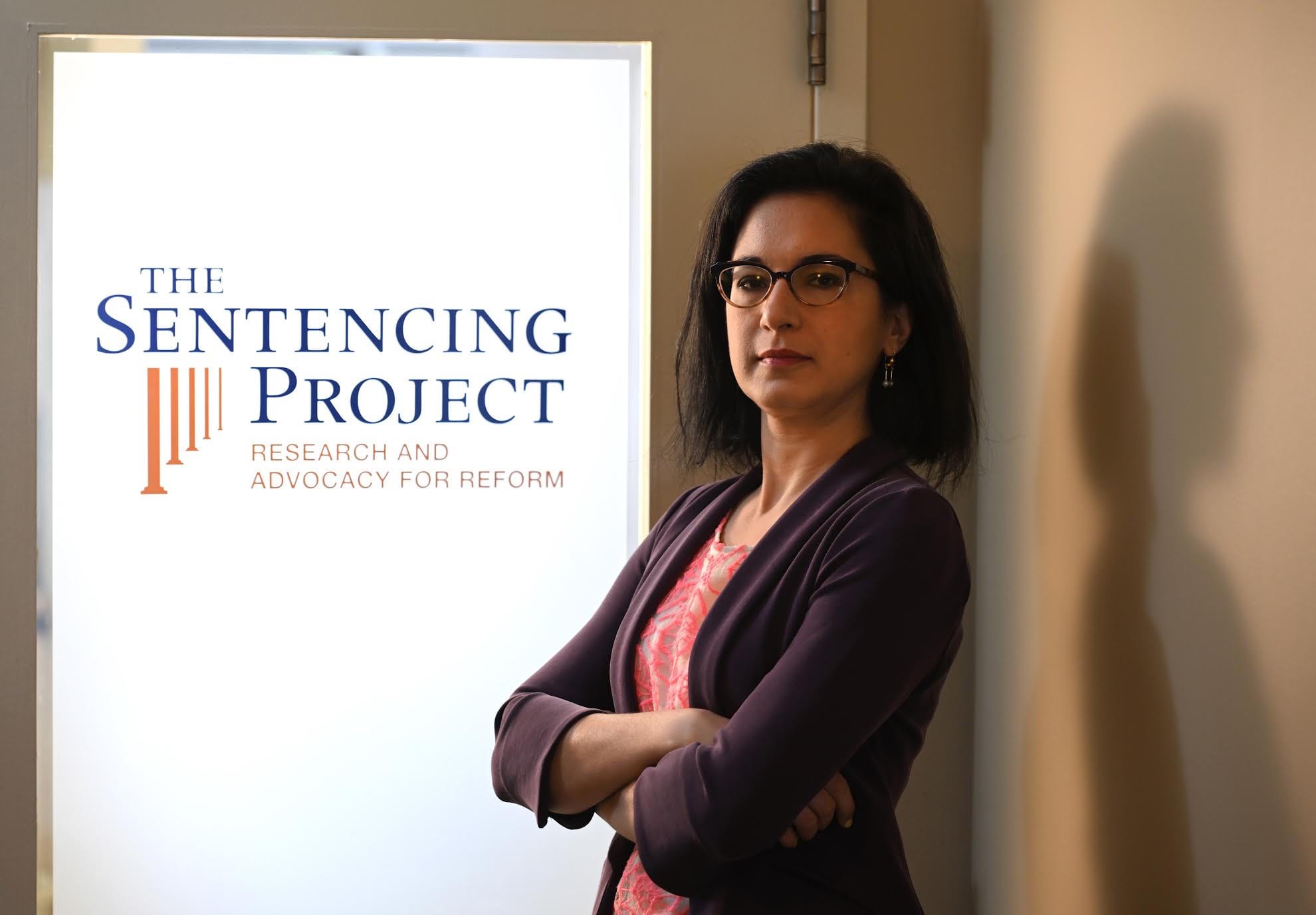
The Sentencing Project’s research director, Nazol Ghandnoosh, said, “It's a pretty uncertain position right now that the criminal justice system is in terms of whether it will continue to advance reforms or if things are going to stall and if some of the reforms that have happened are going to get reversed.”
The American public does not receive much news or information about criminal justice reform, prison conditions, or most other aspects of the criminal justice system, despite receiving a lot of crime news.
Ghandnoosh said the United States has made progress in reducing incarceration and racial disparities but still has significant challenges ahead. “There's been some amount of progress in tackling excessive incarceration and racial disparities, but there's still a long way to go.”
In fact, The Sentencing Project’s Second Look Network, which works with legal advocates on lengthy prison sentences, helped secure the release of at least 45 people through sentence reductions and sentence reviews in 2024.
The organization as a whole has focused recent years on research, advocacy and education about what reform advocates call extreme sentencing. The organization has also studied lengthy and life sentences. A 2025 report, based on 2024 data, found that 194,803 people were serving life sentences in the U.S. prisons,meaning about one in six people in prison were serving a lifetime sentence.
The Sentencing Project, founded in 1986, reported that the U.S prison population declined 25% between its 2009 peak and 2021. Ghandnoosh said the reduction is progress but noted that the prison population had grown substantially in the decades before reaching its peak.
Voting rights of formerly incarcerated persons, youth justice, and racial disparities also are major priorities for the Sentencing Project. “There's been a lot of progress made in terms of reducing racial disparities in incarceration, but there's still a lot of disparity,” Ghandnoosh said. “There's a bit of racial disparity and disadvantage that happens at every stage of the criminal justice system, and that accumulates to the point where we are.”
Ghandnoosh pointed to marijuuana enforcement as an example of how racial disparities can occur even when rates of underlying activity are similar among racial groups. “There's no difference in the underlying activity, but there is a difference in how the criminal justice system processes you and treats you,” she said.
Ghandnoosh added, “Those racial disparities get even worse when you look at lengthy and extreme sentences. One in six people in prison in the U.S. is serving a life sentence.”
So the Sentencing Project has advocated for reforms that allow judges to reconsider lengthy prison sentences. “These kinds of laws are really important for scaling back extreme sentences,” Ghandnoosh said.
Ghandnoosh also discussed reforms involving young people, stating how young people can differ from older adults in areas such as risk taking, susceptibility to peer pressure and decision making. She said, “Adolescence doesn't end at age 18.”
“There's a lot of evidence from neurological research and psychological research that [young] people function differently,” Ghandnoosh explained. “ They're more risk-prone, they're more susceptible to peer pressure, and they're less likely to be able to calculate the consequences of their actions.”
In the area of voting rights, Ghandnoosh said the Sentencing Project wants voting rights to become, or remain, as the case may be, separate from the criminal legal system. The Sentencing Project’s 2024 research estimated that about four million Americans were unable to vote in 2024 elections because of felony disenfranchisement laws. It also reported that 70% of those affected were living in their home communities after completing their sentences.
In 2024, The Sentencing Project produced 24 reports, fact sheets and research briefers, received 2,323 mentions in national, state and local media, hosted nine webinars and recorded 943,000 website page views, according to its annual report. In both 2024 and 2025, the organization partnered with more than 80 national groups and more than 300 state level organizations. (It had 22 employees and reported about $4.8 million in expenses in 2025, according to its 2025 annual report.)
As debate over incarceration and criminal justice reform continues, The Sentencing Project is continuing its work on extreme sentencing, racial disparities, voting rights and youth justice.
“The movement, the next movement there, is to try to make sure that people's voting rights and their criminal justice contact are completely distinct,” Ghandnoosh said.
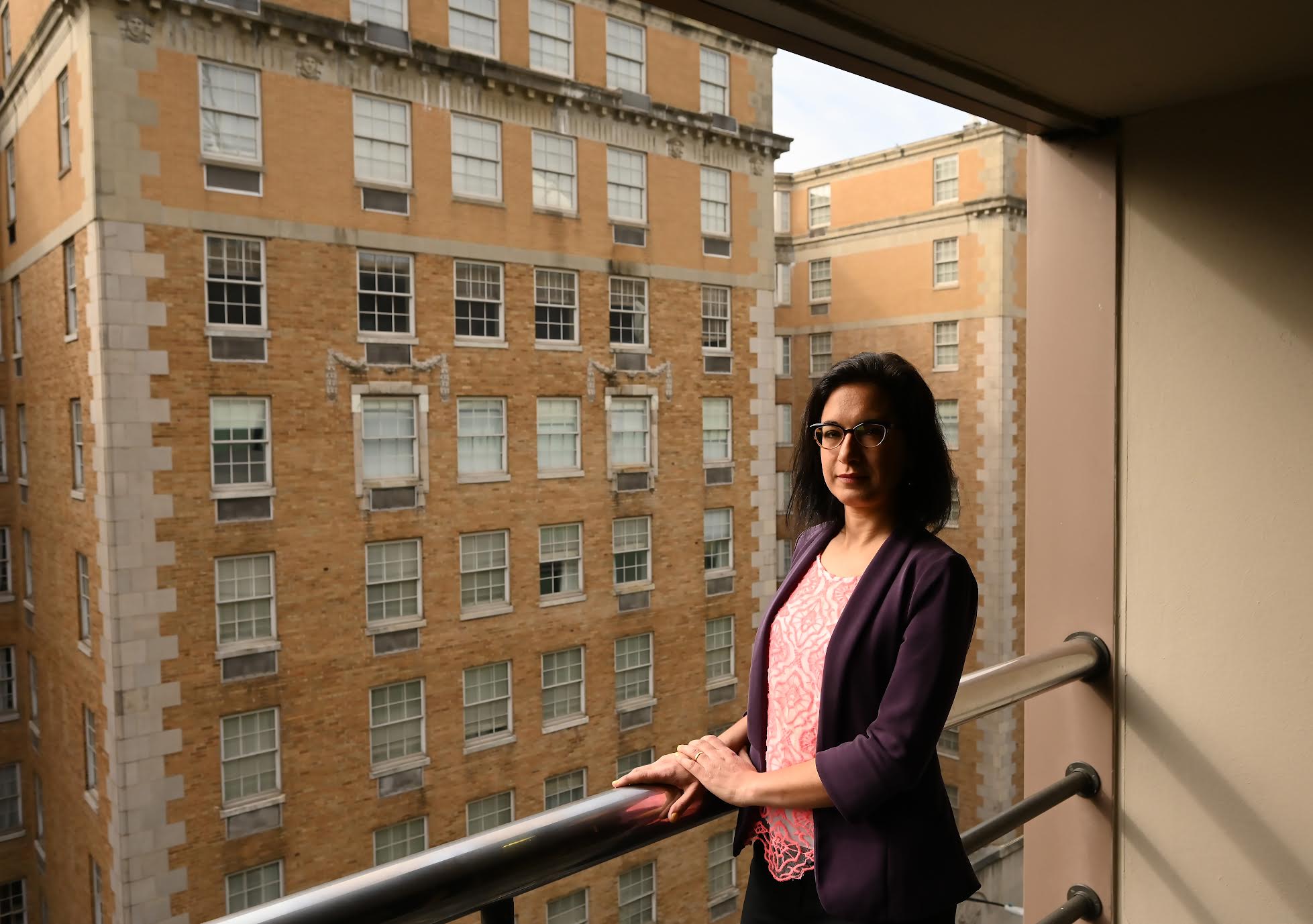
Nazgol Ghandnoosh. Photo by Essdras M. Suarez